

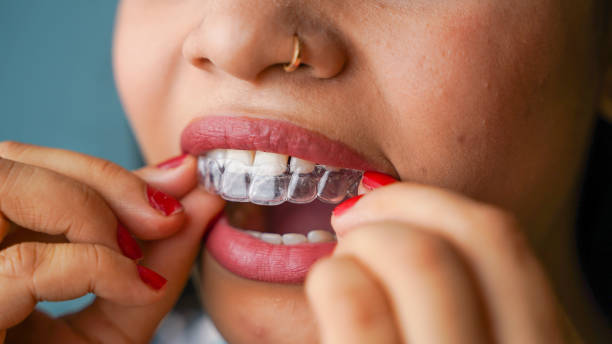
Yes, Invisalign can close many types of gaps between teeth by gradually moving the teeth into their ideal positions with a series of custom-made clear aligners. Whether you have small spaces between your front teeth or more noticeable gaps, Invisalign for gaps may be an effective and discreet treatment option, depending on the cause and severity of the spacing. At Kraner Family Dentistry, we evaluate your smile and dental needs to determine whether clear aligners are the right solution for achieving a straighter, more confident smile.
Key Takeaways
- Invisalign can close many small and moderate gaps between teeth.
- Treatment uses a series of custom clear aligners to move teeth gradually.
- Many patients choose clear aligners for gaps because they are removable and nearly invisible.
- Treatment time depends on the size of the spaces and your overall bite.
- A dentist can determine if Invisalign is the right teeth gap treatment for your smile.
What Is Invisalign?
Invisalign is an orthodontic treatment that uses clear plastic aligners instead of traditional braces. Each aligner is custom made to fit your teeth. You wear the aligners for most of the day, and they gently move your teeth over time. Many people like Invisalign because it is comfortable, discreet, and easy to remove when eating or brushing.
Some of the main benefits include:
- Nearly invisible appearance
- Smooth plastic with no metal brackets
- Easy brushing and flossing
- Fewer office visits than traditional braces
Can Invisalign Close Gaps Between Teeth?
Yes. Can Invisalign close gaps between teeth? In many situations, the answer is yes. Invisalign applies gentle, controlled pressure to move teeth closer together. As your teeth shift, the spaces slowly become smaller until they close or reach the planned position.
Many patients with spacing issues choose clear braces for gaps because they want an option that fits their daily life without the appearance of metal braces.
Your dentist will first examine your teeth, gums, and bite. Digital scans help map each movement before treatment even begins. This planning allows Invisalign to move teeth in a safe and predictable way.
Why Do Gaps Between Teeth Develop?
Spaces between teeth can happen for several reasons. Some people are born with gaps, while others develop them later in life. Understanding the cause helps determine the best treatment.
Common causes include:
- Genetics
- Small teeth compared to jaw size
- Missing teeth
- Thumb sucking during childhood
- Tongue thrusting
- Gum disease that causes teeth to shift
If gum disease is causing the spaces, it should be treated before starting orthodontic treatment.
How Does Invisalign Close Tooth Gaps?
Invisalign treatment works through a series of custom-made aligners designed to gradually move your teeth into their ideal positions. Each set of aligners makes small, controlled adjustments before you switch to the next one. Over time, these gentle movements add up, helping close gaps and create a straighter, healthier smile.
The treatment process usually includes several steps.
Initial Consultation
The first step is a complete dental examination. Your dentist checks your oral health, measures the gaps, and determines if Invisalign is the right treatment. Digital images and scans create a detailed treatment plan that shows how your smile may change over time.
Custom Treatment Plan
Advanced software creates a step-by-step movement plan for every tooth. This helps ensure steady and controlled progress throughout treatment. Patients can often see a preview of their expected results before wearing the first aligner.
Wearing the Aligners
You normally wear the aligners for 20 to 22 hours each day. They should only be removed for eating, drinking anything besides water, brushing, and flossing. Wearing them consistently helps keep treatment on schedule.
Regular Progress Checks
Your dentist monitors your progress during scheduled appointments. New aligners are provided as your teeth continue moving toward their final positions.
Which Types of Gaps Can Invisalign Treat?
Not every spacing issue is the same. Invisalign works well for many common types of tooth gaps, although severe cases may require other orthodontic treatments.
Small Gaps
Small spaces are often among the easiest to correct. These gaps may close within several months when aligners are worn as directed.
Moderate Gaps
Moderate spacing usually responds well to Invisalign. Treatment may take longer, depending on how many teeth need to move.
Gap Between Front Teeth
A gap between front teeth is one of the most common reasons people seek Invisalign treatment. Closing this visible space often improves smile appearance and boosts confidence.
Multiple Spaces Throughout the Smile
When several teeth have spacing issues, Invisalign can move multiple teeth at the same time. A detailed treatment plan helps create even spacing and proper alignment across the entire smile.
Who Is a Good Candidate for Invisalign?
Most healthy teens and adults with mild to moderate spacing problems are good candidates. However, every smile is different.
You may be a good candidate if you have:
- Healthy gums and teeth
- Mild or moderate gaps
- Good oral hygiene habits
- Commitment to wearing aligners daily
- No untreated dental problems
Patients with severe jaw alignment issues may need additional orthodontic treatment before or instead of Invisalign.
How Long Does Invisalign Take to Close Gaps?
Everyone’s smile is different, so Invisalign treatment takes a different amount of time for each person. Some people begin to notice changes within a few months, while others may need a year or longer to achieve their desired results. The length of treatment depends on factors such as the size of the gaps and how your teeth need to move. During your dentist consultation services, your dentist will examine your smile, discuss your goals, and give you a personalized treatment timeline.
These include:
- Size of the gaps
- Number of teeth being moved
- Overall bite alignment
- Patient compliance
- Oral health condition
Most patients begin seeing noticeable improvements after wearing their aligners consistently for several weeks. Regular follow-up visits help ensure treatment stays on track.
What Are the Benefits of Invisalign for Closing Gaps?
Many people choose Invisalign because it offers both cosmetic and practical advantages. Besides improving appearance, properly aligned teeth may also support better oral health.
Some important benefits include:
- More natural-looking smile
- Easier brushing and flossing
- Better bite function
- Reduced food trapping between teeth
- Comfortable treatment without metal wires
- Removable aligners for meals and special occasions
Many patients also appreciate the confidence that comes from wearing nearly invisible aligners throughout treatment.
Invisalign vs. Traditional Braces for Closing Gaps
Both Invisalign and traditional braces can close spaces between teeth, but they work differently. The right option depends on the size of the gaps, your bite, and your lifestyle. During your consultation, your dentist will recommend the treatment that offers the best long-term results for your smile.
| Feature | Invisalign | Traditional Braces |
|---|---|---|
| Appearance | Nearly invisible | Metal brackets and wires |
| Removability | Yes | No |
| Eating | Remove aligners before meals | Food restrictions apply |
| Oral hygiene | Easy to brush and floss | Requires extra care |
| Best for | Mild to moderate gaps | Mild to severe alignment issues |
Are There Any Limitations to Invisalign?
While Invisalign is an excellent option for many people, it may not be suitable for every case. Large spaces, severe bite problems, or complex tooth movements sometimes require braces or a combination of treatments. For example, patients comparing an overbite vs normal bite may need additional orthodontic care if the bite issue is more complex than simple spacing. Your dentist will evaluate your smile to determine the most effective treatment plan.
Invisalign treatment also depends on patient commitment. Wearing the aligners for the recommended 20 to 22 hours each day is essential for achieving the desired results on time.
How Much Does Invisalign Cost?
The cost of Invisalign varies because every smile is unique. Factors such as the number of aligners needed, the complexity of your case, and the overall treatment time all affect the final price.
Your treatment cost may depend on:
- The size and number of tooth gaps
- The complexity of tooth movement
- Treatment length
- Whether additional dental procedures are needed
- Your dental insurance benefits
A consultation is the best way to receive an accurate estimate based on your individual treatment plan.
What Happens After Your Gaps Are Closed?
Once your treatment is complete, keeping your new smile in place is just as important as closing the gaps. Teeth naturally tend to shift over time, which is why most patients need to wear a retainer.
Your dentist may recommend:
- Wearing your retainer as instructed
- Attending regular dental checkups
- Practicing good oral hygiene
- Avoiding habits that can move your teeth
Following these steps helps protect your investment and maintain your results for years to come.
Tips for Getting the Best Results with Invisalign
Getting the most from Invisalign requires consistency and proper care. Small daily habits can make a big difference in how smoothly your treatment progresses.
For the best outcome:
- Wear your aligners for 20 to 22 hours every day.
- Remove them only for meals and drinks other than water.
- Brush and floss before putting your aligners back in.
- Clean your aligners regularly using the recommended methods.
- Attend all scheduled dental appointments.
By following your treatment plan, you can help ensure your teeth move as planned and your gaps close successfully.
Why Choose Kraner Family Dentistry for Invisalign?
Choosing the right dental team is an important part of your Invisalign journey. At Kraner Family Dentistry, we take the time to understand your smile goals and create a treatment plan designed specifically for you. Using modern technology and personalized care, we guide you through every stage of treatment, from your initial consultation to your final results.
Whether you have a small space or several gaps between your teeth, our experienced team is here to help you achieve a straighter, healthier smile with confidence.
Conclusion
Closing spaces between your teeth can improve both your smile and your oral health. For many patients, can Invisalign close gaps between teeth has a positive answer. With custom-made aligners, consistent wear, and guidance from an experienced dental team, Invisalign can effectively treat many mild to moderate spacing issues.
If you are considering Invisalign for gaps or looking for the right teeth gap treatment, a professional evaluation is the best place to start. At Kraner Family Dentistry, we are committed to helping you achieve a healthy, confident smile with personalized care.
Ready to transform your smile? Book an appointment with Kraner Family Dentistry today for an Invisalign consultation and find out if clear aligners are the right solution for your smile.
Frequently Asked Questions
Can Invisalign close all types of tooth gaps?
Invisalign can successfully treat many small and moderate gaps. However, very large spaces or complex orthodontic problems may require traditional braces or other treatments. A dental examination is the best way to determine the right option.
How long does it take Invisalign to close gaps?
Most patients complete treatment within 6 to 18 months. The exact timeline depends on the size of the gaps, the number of teeth being moved, and how consistently the aligners are worn.
Is Invisalign painful?
Most people experience mild pressure for a few days after switching to a new set of aligners. This is a normal sign that the teeth are moving and usually improves quickly.
Will my teeth move back after Invisalign?
Teeth can shift over time if retainers are not worn as recommended. Wearing your retainer helps maintain your new smile and prevents gaps from returning.
Is Invisalign better than braces for closing gaps?
Both treatments can be effective. Invisalign is often preferred for mild to moderate spacing because it is removable and nearly invisible, while traditional braces may be recommended for more complex orthodontic cases.