
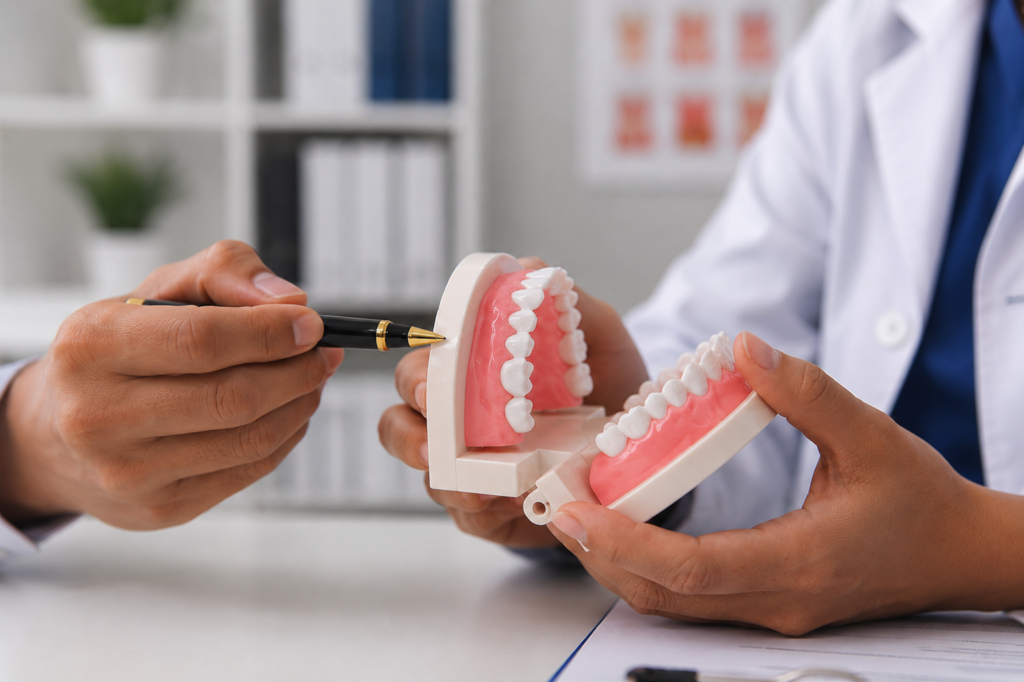
Overbite vs normal is one of the most common questions people ask when they notice that their upper front teeth overlap the lower teeth. The truth is that a small overbite is often healthy and natural. However, a larger overbite may affect your smile, comfort, and oral health over time. At Kraner Family Dentistry, we help patients understand whether their bite is normal and recommend the right treatment only when it is truly needed.
Key Takeaways
- A slight overbite is normal for most people.
- A deep overbite can cause tooth wear and jaw problems.
- Your dentist can measure your bite during a routine exam.
- Early treatment often prevents bigger dental issues.
- Orthodontic care may improve both function and appearance.
- Most overbites can be treated successfully at any age.
What Is the Difference Between Overbite vs Normal?
When comparing overbite vs normal, the main difference is how much the upper front teeth overlap the lower front teeth. A normal bite has a small overlap that helps your teeth work together when you chew and speak. Most dentists consider an overlap of about 2–4 mm to be healthy. A larger overlap may need evaluation if it causes symptoms or affects your daily life.
What Is Considered a Normal Overbite?
A normal overbite allows your upper teeth to cover only a small part of the lower teeth. This natural overlap protects your teeth from excessive wear and supports proper chewing. Many people wonder, are you supposed to have an overbite? The answer is yes. Nearly everyone has a slight overbite, and in most cases, it does not require treatment.
A healthy bite usually:
- Allows comfortable chewing
- Supports clear speech
- Prevents excessive tooth wear
- Keeps the jaw working smoothly
Is an Overbite Normal?
Many patients ask, is an overbite normal? Yes, a mild overbite is completely normal. The concern begins when the overlap becomes too large or causes problems. A deep overbite can place extra pressure on the teeth and jaw, making everyday activities less comfortable.
Signs your overbite may need attention include:
- Frequent jaw pain
- Difficulty biting food
- Teeth wearing down quickly
- Speech changes
- Gum irritation behind the upper front teeth
What Causes an Overbite?
Several factors can lead to an overbite. Some people are born with it, while others develop it over time because of habits or changes in jaw growth. Knowing the cause helps your dentist recommend the best treatment.
Are Overbites Genetic?
One common question is, are overbites genetic? Yes, genetics play a major role. If your parents have an overbite or certain jaw shapes, you may inherit similar features. However, childhood habits can also influence how the bite develops.
Other common causes include:
- Thumb sucking
- Long-term pacifier use
- Tongue thrusting
- Teeth grinding
- Missing teeth
- Uneven jaw growth
Does an Overbite Affect Your Jawline?
People often search, does overbite affect jawline because they notice changes in facial appearance. The answer depends on the severity of the bite. A mild overbite usually has little effect on facial structure. However, a deeper overbite can make the chin appear smaller or less defined.
Understanding the Overbite Jawline
The phrase overbite jawline describes the facial profile that may develop when the upper jaw or teeth extend too far over the lower jaw. Correcting a severe overbite can improve facial balance while also improving bite function.
Some possible effects include:
- Less defined chin
- Fuller upper lip appearance
- Imbalanced facial profile
- Increased strain on jaw muscles
Can a Slight Overbite Still Look Attractive?
Beauty standards vary from person to person. Many people have a slight overbite that looks natural and balanced. In fact, the phrase attractive slight overbite appears often because many smiles with small overbites are considered charming and healthy.
An overbite usually becomes a cosmetic concern only when it is severe or affects facial harmony. Your dentist focuses first on function, comfort, and long-term oral health before recommending cosmetic improvements.
Does Gender Make a Difference?
Some people search for terms like overbite woman because they wonder if overbites appear differently in women than in men. In reality, overbites can affect anyone. The causes, symptoms, and treatment options are generally the same regardless of gender.
Your dentist evaluates:
- Jaw position
- Tooth alignment
- Facial symmetry
- Bite function
- Overall oral health
What Problems Can an Untreated Overbite Cause?
Not every overbite needs treatment, but ignoring a severe one can lead to complications. Over time, the extra pressure on the teeth and jaw may create issues that become more difficult to correct.
Possible complications include:
- Tooth wear
- Gum damage
- Jaw pain
- Headaches
- Tooth fractures
- Difficulty chewing
- Speech problems
Early evaluation often prevents these problems from becoming worse.
How Dentists Diagnose an Overbite
Your dentist will examine how your upper and lower teeth fit together. They may also use digital X-rays, photographs, and bite measurements to determine whether your overbite falls within the healthy range.
During your appointment, your dentist may check:
- Tooth alignment
- Jaw position
- Bite depth
- Signs of tooth wear
- Gum health
Routine dental exams help identify bite problems before they become more serious.
Treatment Options for an Overbite
Treatment depends on your age, the cause of the overbite, and its severity. Some patients only need monitoring, while others benefit from orthodontic care or additional dental procedures.
Orthodontic Treatment
Braces and clear aligners are among the most common ways to correct an overbite. They gradually move the teeth into better positions while improving bite function and appearance.
Restoring Damaged Teeth
If a severe overbite has already caused worn or broken teeth, your dentist may recommend restorative teeth treatment to rebuild damaged areas before or after orthodontic care.
Advanced Dental Care
Some patients with complex bite problems may need care from a restorative dentistry specialist who works alongside orthodontists to improve both function and appearance.
Can Adults Fix an Overbite?
Absolutely. Many adults successfully improve their bite later in life. Modern orthodontic treatments are more comfortable and less noticeable than ever before. Adults often choose treatment to reduce jaw pain, protect their teeth, or improve their smile.
Adult treatment may include:
- Clear aligners
- Traditional braces
- Retainers
- Tooth reshaping
- Dental restorations when needed
Overbite Characters in Popular Media
People often search for overbite characters because cartoons and movies sometimes exaggerate dental features for humor or personality. While these characters are entertaining, they should not be used to judge what is normal or healthy. Every smile is unique, and only a dental examination can determine whether treatment is necessary.
How to Protect Your Bite
Even if your overbite is considered normal, good dental habits help keep your teeth healthy and reduce future problems.
Helpful habits include:
- Brush twice each day.
- Floss every day.
- Wear a night guard if you grind your teeth.
- Visit your dentist every six months.
- Avoid chewing hard objects like ice.
These simple steps protect both your teeth and your bite for years to come.
When Should You See a Dentist?
You should schedule an evaluation if you notice changes in your bite or experience ongoing discomfort. Early diagnosis often means simpler treatment and better long-term results.
Visit your dentist if you have:
- Jaw pain
- Difficulty chewing
- Teeth that chip often
- Speech concerns
- Teeth that appear to overlap more over time
Why Choose Kraner Family Dentistry?
At Kraner Family Dentistry, we believe every patient deserves a healthy, comfortable smile. Our team carefully evaluates your bite, explains your options in simple language, and recommends treatment only when it benefits your long-term oral health. Whether your overbite is completely normal or needs correction, we create a personalized plan that fits your goals.
For related information on our website, consider linking internally to:
- Orthodontic Services
- Family Dentistry
- Dental Exams and Cleanings
- Cosmetic Dentistry
- Restorative Dentistry
Conclusion
Understanding overbite vs normal helps you know whether your smile is healthy or needs professional attention. A slight overbite is usually normal and supports proper chewing and speech. However, a deeper overbite may lead to tooth wear, jaw discomfort, or cosmetic concerns if left untreated. The best way to know where your bite falls is through a professional dental evaluation. Ready to find out if your bite is healthy? Contact Kraner Family Dentistry today to schedule your appointment and receive personalized care for a healthier, more confident smile.
Frequently Asked Questions
Is an overbite normal?
Yes. A slight overbite is normal and helps your teeth fit together properly. Most people have a small overlap of the upper front teeth over the lower front teeth. Treatment is usually only needed if the overbite is severe or causes pain, tooth wear, or difficulty chewing.
Are you supposed to have an overbite?
Yes, you are supposed to have a small overbite. A healthy bite typically includes a slight overlap of the upper teeth over the lower teeth. If the overlap is too deep, your dentist may recommend treatment.
Are overbites genetic?
Yes, overbites are often genetic. The size and shape of your jaw and the alignment of your teeth can be inherited from your parents. However, habits like thumb sucking or prolonged pacifier use can also contribute to an overbite.
Does an overbite affect the jawline?
A mild overbite usually does not affect the jawline. However, a severe overbite can make the chin appear less defined and change the overall facial profile. Correcting the bite may improve both function and facial balance.
Can adults fix an overbite?
Yes. Adults can successfully treat an overbite with braces, clear aligners, or other dental treatments. Your dentist will recommend the best option based on the severity of your bite and your oral health.
How do I know if my overbite needs treatment?
You should visit a dentist if your overbite causes jaw pain, worn or chipped teeth, difficulty chewing, speech problems, or concerns about your smile. A professional examination can determine whether treatment is necessary.