

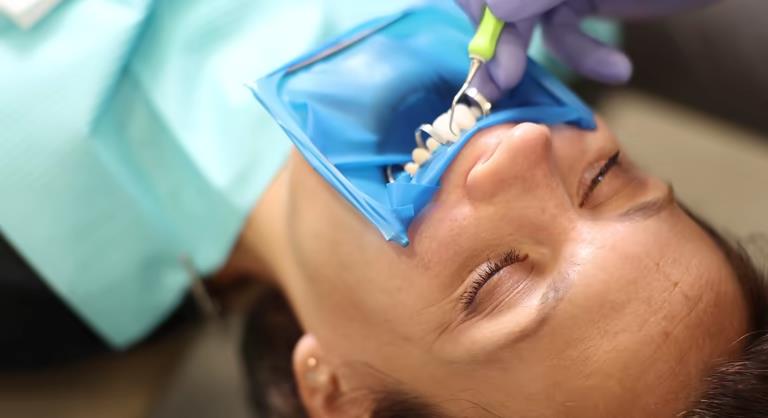
Restorative dentistry restores damaged or missing teeth using treatments like fillings, crowns, bridges, and dental implants, helping you regain proper function, improve oral health, and rebuild confidence in your smile.
Restorative dentistry plays a vital role in maintaining not just oral health but also personal confidence. Unlike cosmetic dentistry, which focuses mainly on appearance, restorative dentistry at Kraner Family Dentistry combines function and aesthetics to repair damage, replace missing teeth, and restore a patient’s smile. Whether you are dealing with cavities, broken teeth, or tooth loss, restorative dentistry ensures you can chew, speak, and smile comfortably. Patients seeking both cosmetic and function-focused outcomes will benefit from understanding the range of restorative services available at Kraner Family Dentistry and how each procedure can improve their daily life.
What Is Restorative Dentistry?
Restorative dentistry refers to treatments that restore the health, function, and integrity of damaged or missing teeth. This field addresses problems that affect the patient’s ability to bite, chew, or speak properly while also considering the appearance of the teeth. Common restorative dentistry services include dental fillings, crowns, bridges, and implants. The ultimate goal is not just to repair teeth but also to restore confidence. By combining science and artistry, restorative dentistry ensures long-term oral health while improving smiles.
Common Restorative Dental Procedures
Dental Fillings
Dental fillings are one of the most common forms of restorative dental work. They are used to repair teeth affected by decay or minor fractures. Materials like composite resin and amalgam are commonly used. Composite fillings match the natural tooth color, making them an excellent choice for visible areas. The procedure is quick and minimally invasive, restoring the tooth’s function and preventing further decay.
Dental Crowns
Crowns, or caps, are placed over damaged teeth to strengthen them and restore their shape. Crowns can be made of porcelain, ceramic, or metal, depending on the tooth’s location and function. They are typically recommended when a tooth is fractured, has a large cavity, or has undergone a root canal. Crowns not only improve chewing ability but also enhance the tooth’s appearance.
Dental Bridges
Bridges replace one or more missing teeth by anchoring to adjacent natural teeth or implants. They restore the bite and prevent remaining teeth from shifting. Types include traditional bridges, cantilever bridges, and Maryland bridges. Bridges provide a durable solution for missing teeth while improving speech, chewing, and smile aesthetics.
Dental Implants vs Crowns
Choosing between dental implants and crowns depends on the patient’s dental condition. Dental implants replace missing teeth with a titanium post implanted into the jawbone, providing a permanent, natural-looking solution. Crowns are used to cover damaged teeth but cannot replace missing ones. Implants are ideal for long-term solutions, while crowns are suitable for restoring severely damaged teeth. Both options contribute to smile restoration and functional improvements.
Smile Restoration
Restorative dentistry can be combined with cosmetic procedures to achieve full smile restoration. This may involve crowns, veneers, implants, or bridges to create a harmonious, functional, and aesthetically pleasing smile. Patients often experience a significant boost in self-esteem after completing restorative dental work.
Benefits of Restorative Dentistry
The benefits of restorative dentistry extend beyond appearance. Functionally, patients regain the ability to chew efficiently and speak clearly. Misaligned bites or missing teeth can lead to jaw pain, headaches, or further tooth loss, which restorative dentistry can prevent. Emotionally, restoring damaged teeth enhances confidence and encourages a more active social life. Long-term benefits include maintaining jawbone density, preventing dental complications, and preserving overall oral health.
How to Choose the Right Restorative Dentist
Selecting a qualified local restorative dentist is crucial for successful outcomes. Look for experience, positive patient reviews, and advanced technology. Ask about the dentist’s approach to individualized treatment plans, the types of restorative procedures offered, and post-treatment care. A dentist who balances functionality and aesthetics will help ensure both your oral health and confidence are restored.
Cost Considerations and Insurance
Costs for restorative dental work vary depending on the procedure and materials used. Dental fillings are generally more affordable, while implants and bridges are higher in cost. Many insurance plans cover a portion of restorative procedures, particularly those deemed medically necessary. Financing options may also be available, allowing patients to achieve oral health and functional improvements without financial strain.
Aftercare and Maintenance
Proper aftercare is essential for the longevity of restorative work. Patients should maintain regular dental check-ups, practice good oral hygiene, and follow the dentist’s instructions for caring for crowns, bridges, and implants. Avoiding hard foods and using protective gear during sports can further prolong the lifespan of restorative dental work.
Patient Success Stories
Patients who undergo restorative dentistry often report life-changing improvements. For instance, someone with multiple missing teeth may regain the ability to eat comfortably and smile without hesitation. Emotional benefits, such as increased self-confidence and reduced social anxiety, often accompany functional improvements. These success stories demonstrate how restorative dentistry addresses both practical and psychological aspects of dental health.
Conclusion
Restorative dentistry is essential for anyone seeking to restore both function and confidence in their smile. From simple fillings to complex implants and bridges, restorative dental work ensures that patients can chew, speak, and smile comfortably. Choosing a qualified local restorative dentist and following proper aftercare routines will maximize both health and aesthetic benefits. Contact Us today to schedule a consultation and explore how restorative dentistry can transform your smile and restore your confidence.
FAQ
What is the difference between restorative and cosmetic dentistry?
Restorative dentistry focuses on repairing teeth and restoring function, while cosmetic dentistry primarily improves appearance. Many procedures overlap to enhance both aspects.
How long do dental implants last?
With proper care, dental implants can last 20 years or more, often providing a lifetime solution.
Are crowns painful to get?
Most patients experience minimal discomfort. Local anesthesia is used, and post-procedure sensitivity typically resolves quickly.
Can restorative dentistry improve my smile’s appearance?
Yes, procedures like crowns, bridges, and implants restore missing or damaged teeth, enhancing both function and aesthetics.
How do I choose the best restorative dentist?
Look for experience, patient reviews, technology used, and personalized treatment plans.