
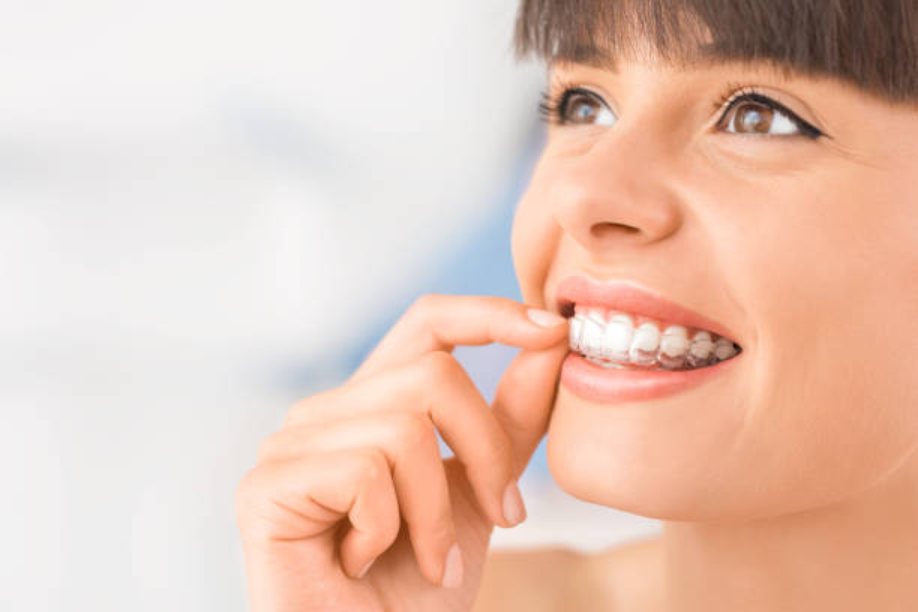
Completing your Invisalign treatment is a huge accomplishment. After months of wearing aligners and watching your smile transform, it’s natural to feel excited about the results. However, your journey doesn’t end the moment you remove your last set of aligners. To maintain your beautiful new smile, you’ll need to wear a retainer—a crucial yet often overlooked part of post-treatment care.
At Kraner Family Dentistry, patients often ask, “Why do I need a retainer after Invisalign?” The answer is simple: retainers keep your teeth from gradually shifting back to their original positions. In this guide, we’ll explore why retainers are essential, how long you need to wear them, and how to care for them for long-term results.
If you’ve recently completed Invisalign or are searching for “Invisalign near me”, this article will help you understand what life after treatment truly looks like.
Understanding What Happens After Invisalign
The Invisalign treatment process involves gradual movement of your teeth into their ideal positions. Each aligner applies gentle pressure to guide your teeth, reshaping not only their alignment but also the supporting bone and tissues.
Once treatment is complete, your teeth are straight—but your jawbone and gums need time to stabilize. Without proper retention, the teeth can slowly drift back toward their previous misalignment, undoing your progress. This is known as an orthodontic relapse.
At Kraner Family Dentistry, your Invisalign dentist will provide a custom-made retainer immediately after treatment to help maintain your results. These retainers ensure that the bone and ligaments surrounding your teeth adjust and solidify in their new positions over time.
Why Retainers Are So Important After Invisalign
The role of retainers after Invisalign cannot be overstated. While your aligners focused on moving your teeth, retainers are designed to hold them in place. Teeth naturally tend to shift, especially within the first 12 months after orthodontic treatment.
Retainers act as a stabilizing force, ensuring that your teeth and jaw structures adapt fully to their new alignment. Even minimal shifting can affect bite function, smile appearance, and overall comfort. By following your dentist’s retention plan, you protect your investment in your smile.
At Kraner Family Dentistry, the retention phase is viewed as a continuation of your Invisalign journey—not the end of it. Their team ensures every patient understands how to properly wear and care for retainers to prevent relapse and maintain lasting results.
Types of Retainers After Invisalign Treatment
After Invisalign, there are several types of retainers available. Each has unique advantages depending on your needs, lifestyle, and comfort preferences.
Type of Retainer | Description | Benefits | Considerations |
Vivera Retainers | Custom-made by Invisalign using the same technology as aligners | Durable, clear, and comfortable | Must be removed while eating or brushing |
Hawley Retainers | Acrylic and metal design that sits on the roof of your mouth | Long-lasting and adjustable | More noticeable than clear retainers |
Fixed Retainers | Thin wire bonded to the back of front teeth | Permanent and invisible | Requires careful cleaning and flossing |
Most Invisalign patients at Kraner Family Dentistry prefer Vivera retainers due to their clear, comfortable design and reliable performance. These retainers are made using 3D scans, ensuring a perfect fit similar to your final aligners.
How Long Should You Wear Retainers After Invisalign?
One of the most common questions patients ask their Invisalign dentist is, “How long do I need to wear my retainer?” The answer varies by individual, but the general rule is wear them as long as you want your teeth to stay straight.
During the first few months after Invisalign, your teeth are most vulnerable to shifting. Your dentist will recommend wearing your retainers full-time—around 20–22 hours per day—for at least the first three to six months.
After this adjustment period, you can transition to nighttime wear. Most patients continue to wear their retainers several nights a week indefinitely. Regular checkups at Kraner Family Dentistry help ensure your retainers still fit properly and that your smile remains stable.
Signs That You May Need a New Retainer
Even with proper care, retainers can wear out over time. Knowing when to replace them helps prevent unwanted shifting. Look for these common signs:
- Cracks, chips, or warping in the plastic
- Loose or uncomfortable fit
- Discoloration or buildup that doesn’t clean easily
- Noticeable changes in your bite or smile alignment
At Kraner Family Dentistry, replacement retainers can be created quickly using digital impressions, ensuring accuracy without the discomfort of traditional molds. If you notice any issues with your current retainer, schedule an evaluation promptly to avoid setbacks.
The Role of Retainers in Preventing Orthodontic Relapse
Orthodontic relapse is one of the most common reasons patients seek follow-up treatment years after Invisalign. Even small movements can lead to cosmetic and functional problems. Retainers help prevent this by maintaining consistent pressure on teeth, keeping them stable as the jawbone continues to harden.
Relapse can happen for various reasons—aging, teeth grinding, or inconsistent retainer use. Regular dental visits help identify these issues early. Your dentist at Kraner Family Dentistry may adjust your retainer or create a new one to maintain perfect alignment and prevent long-term complications.
Remember, the cost and effort of wearing a retainer are minimal compared to undergoing Invisalign treatment all over again.
Caring for Your Retainers: Best Practices
Proper care keeps your retainers clean, clear, and effective. Neglecting hygiene can lead to plaque buildup, odor, and even bacterial growth.
Cleaning Guidelines
- Rinse your retainers every time you remove them.
- Gently brush them with a soft toothbrush and mild soap.
- Avoid using toothpaste—it can scratch the surface.
- Soak them weekly in Invisalign cleaning crystals or denture cleaner.
- Always rinse thoroughly before reinserting.
Handling and Storage
Always handle your retainers with clean, dry hands. When not wearing them, store them in a protective case to avoid loss or damage. Avoid exposing them to heat, as high temperatures can cause warping.
By following these simple steps, your retainers will remain in excellent condition and continue to provide reliable results for years.
How Invisalign Differs from the Retention Phase
The Invisalign journey and the retention phase serve two distinct purposes. Invisalign aligners actively move your teeth, while retainers maintain their position. Understanding this distinction helps you appreciate the importance of long-term care.
Here’s a comparison of Invisalign treatment versus the retention phase:
Feature | Invisalign Treatment | Retention Phase |
Purpose | Straighten and align teeth | Maintain new alignment |
Wear Time | 20–22 hours daily | Initially full-time, then nighttime |
Replacement | Every 1–2 weeks | Only when damaged or worn |
Cleaning | Daily brushing and rinsing | Same as aligners |
Duration | 6–18 months on average | Lifelong maintenance |
Your Invisalign dentist will guide you through both stages with precision and care, ensuring that every phase contributes to lasting results.
The Psychological Impact of Maintaining Your Smile
After Invisalign, many patients experience increased confidence and self-esteem. However, neglecting post-treatment care can reverse these benefits over time. Wearing your retainer consistently helps preserve not just your alignment, but also your confidence in your smile.
Knowing your teeth will stay straight allows you to smile freely and comfortably in any setting. Kraner Family Dentistry emphasizes that long-term retention is more than a dental routine—it’s an investment in your overall well-being. Their supportive team educates every patient on proper use and care, empowering them to protect their results independently.
Maintaining Long-Term Results with Professional Care
Consistent dental checkups play a crucial role in long-term Invisalign success. During routine visits, your dentist will monitor your tooth stability, inspect your retainers for wear, and recommend replacements when needed.
At Kraner Family Dentistry, patients benefit from advanced digital scanning technology and a comprehensive follow-up program that ensures lasting results. Their experienced Invisalign dentist team remains committed to your smile’s health long after treatment ends.
With proper guidance and regular maintenance, your Invisalign results can last a lifetime—ensuring your smile remains as stunning and healthy as the day you completed treatment.
Final Thoughts: Protecting Your Invisalign Investment
Completing Invisalign treatment is an achievement worth celebrating, but true success lies in maintaining your results. Wearing your retainers consistently, keeping them clean, and attending follow-up visits will help preserve your beautifully aligned teeth for life.
The team at Kraner Family Dentistry emphasizes that post-Invisalign care is a lifelong commitment to oral health. With the right mindset and routine, you can enjoy your confident, natural-looking smile for decades to come.
If you’re starting Invisalign or recently completed your treatment, visit Kraner Family Dentistry or contact their office to learn more about maintaining your results with proper retainer care.
Common Questions About Retainers After Invisalign
How long do retainers last?
Most retainers last 1–5 years depending on material and care. Regular checkups ensure timely replacements before damage or distortion occurs.
Can I skip wearing my retainer for a few days?
Skipping even a few days can allow your teeth to shift slightly. Always wear your retainers as directed to prevent relapse.
Do retainers hurt?
Retainers shouldn’t be painful, but mild tightness may occur after reinserting them following a break. This sensation typically fades quickly.
How should I clean my retainer?
Use mild soap and lukewarm water daily. Avoid toothpaste, boiling water, or alcohol-based cleaners to prevent damage.
What if my retainer no longer fits?
If your retainer feels too tight or doesn’t fit properly, schedule an appointment at Kraner Family Dentistry. Your dentist can assess whether adjustments or replacements are necessary.