
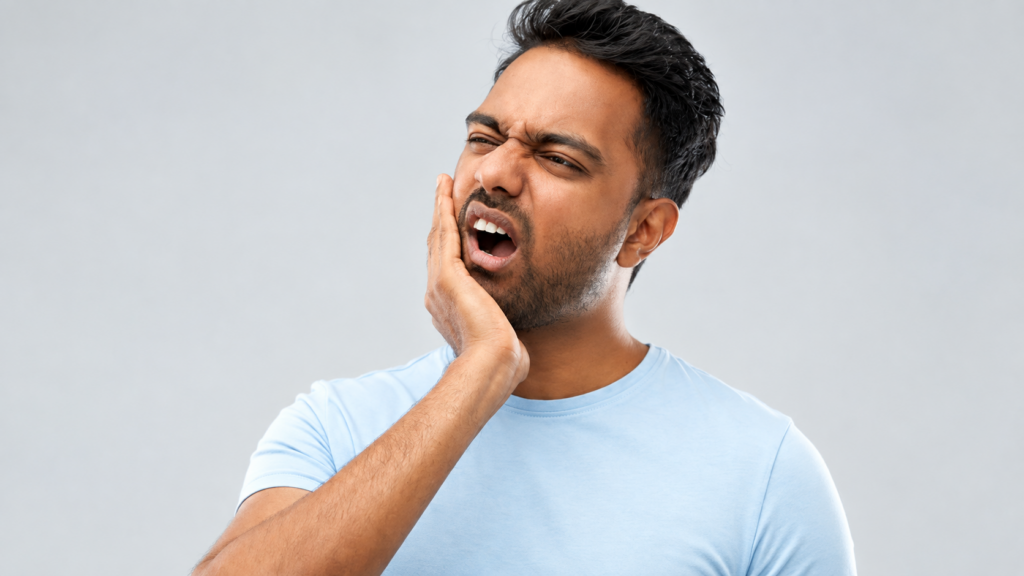
How to get rid of lock jaw starts with finding the cause of the problem and giving your jaw time to heal. In many cases, resting the jaw, using a warm compress, eating soft foods, and avoiding wide mouth movements can help relieve pain and improve movement. However, if your jaw keeps locking, stays stuck, or causes severe pain, you should visit a dentist for a proper evaluation and treatment. At Kraner Family Dentistry, we help patients identify the cause of jaw pain and lock jaw through comprehensive examinations and personalized treatment plans. Our experienced team focuses on relieving discomfort, restoring healthy jaw function, and helping you prevent future jaw problems so you can smile, speak, and eat with confidence.
Key Takeaways
- Lock jaw can happen because of jaw joint problems, muscle strain, injury, or stress.
- Mild cases often improve with rest, warm compresses, and gentle jaw exercises.
- Repeated jaw locking should always be checked by a dentist.
- Early treatment can prevent long-term jaw damage and discomfort.
- Good daily habits can lower the risk of future jaw problems.
What Is Lock Jaw?
Lock jaw happens when the jaw joint or surrounding muscles stop moving normally. Your jaw may become stuck in an open or closed position, making simple tasks difficult. Many people think it only lasts a few minutes, but some cases need professional care. Understanding what causes the problem is the first step toward finding the right treatment.
Common signs include:
- Pain near the jaw joint
- Trouble opening or closing the mouth
- Clicking or popping sounds
- Jaw stiffness
- Difficulty chewing food
Why Does Lock Jaw Happen?
Several conditions can lead to jaw locking. In many cases, the problem starts in the temporomandibular joint (TMJ), which connects your jawbone to your skull. Muscle tension, injury, or joint damage may stop the jaw from moving smoothly.
Some common causes include:
- TMJ disorders
- Teeth grinding or clenching
- Jaw injury
- Arthritis affecting the jaw
- Muscle spasms
- Stress-related muscle tension
Finding the exact cause helps your dentist choose the best treatment plan.
Why Does My Jaw Lock When I Yawn?
Many patients ask, why does my jaw lock when i yawn? Yawning opens the jaw wider than usual. If the joint is already irritated or unstable, the disc inside the TMJ may move out of place, causing the jaw to stick temporarily.
You may also notice:
- Pain after a wide yawn
- A clicking sound before the jaw locks
- Difficulty closing the mouth
- Tightness around the cheeks
If your jaw locks when i yawn often, it is important to have your jaw evaluated before the problem becomes worse.
Jaw Locked When Yawning: Is It Serious?
A jaw locked when yawning can feel scary, but not every case is an emergency. Some people regain movement after a few minutes, while others continue to have pain or limited movement for days.
Seek dental care if you notice:
- Severe pain
- Jaw stays locked
- Swelling
- Trouble eating
- Frequent locking episodes
Early care often prevents more serious joint damage.
How to Get Rid of Lock Jaw at Home
If your symptoms are mild, there are several ways to reduce discomfort while waiting for professional advice. These methods help relax the muscles and reduce pressure on the jaw joint.
Apply Warm Compresses
Heat helps improve blood flow and relax tight jaw muscles. Hold a warm compress on the painful area for about 15 to 20 minutes several times each day.
Eat Soft Foods
Choose foods that require little chewing. This gives the jaw time to recover without extra strain.
Examples include:
- Yogurt
- Soup
- Mashed potatoes
- Smoothies
Avoid Wide Mouth Movements
Avoid opening your mouth too wide when laughing, yawning, or biting large foods.
Practice Gentle Jaw Exercises
A dentist may recommend simple stretching exercises to improve movement. Never force the jaw open if it feels stuck.
These simple steps may answer the question what to do for lock jaw in mild cases, but ongoing symptoms require professional evaluation.
How Do You Fix Lock Jaw?
Many patients wonder, how do you fix lock jaw when home care is not enough. The right treatment depends on what caused the problem. Your dentist will examine your jaw, check how it moves, and may recommend imaging if needed.
Treatment options may include:
- Custom night guards for teeth grinding
- Physical therapy
- Anti-inflammatory medication
- Muscle relaxation techniques
- Bite adjustments
- TMJ therapy
Treating the underlying cause often prevents future locking episodes.
How Can I Unlock My Jaw Safely?
If you’re asking, how can i unlock my jaw, avoid forcing it open. Sudden movements may make the injury worse.
Instead:
- Stay calm
- Relax your facial muscles
- Apply gentle warmth
- Massage the jaw carefully
- Contact your dentist if the jaw remains locked
Trying to force the jaw back into place can damage the joint or surrounding muscles.
How to Unlock Your Jaw Without Making It Worse
Learning how to unlock your jaw safely means protecting the joint while reducing muscle tension. Gentle movements may help restore normal motion if the joint is only mildly strained.
Helpful habits can support jaw relaxation and reduce strain on the muscles. Try to keep your tongue relaxed, practice slow and steady breathing, avoid chewing gum, and give your jaw enough time to rest. These simple steps can help reduce tension and prevent additional stress on the jaw joint while it heals. If symptoms continue beyond a few hours, professional treatment is recommended.
How to Fix Lock Jaw Immediately: Is There a Quick Solution?
Many people search for how to fix lock jaw immediately, hoping for instant relief. While warm compresses and resting the jaw may reduce pain quickly, there is no guaranteed immediate cure because every case has a different cause.
Quick relief may include:
- Warm compresses
- Soft foods
- Over-the-counter pain relief if appropriate
- Avoiding hard chewing
Persistent symptoms should always be evaluated by a dental professional.
How to Fix Locked Jaw with Professional Treatment
Knowing how to fix locked jaw often means addressing the root cause rather than only treating symptoms. Your dentist may recommend conservative care first before considering advanced treatments.
Professional care may include:
- TMJ therapy
- Bite correction
- Custom mouthguards
- Physical therapy
- Stress management techniques
In rare cases, surgery may be recommended if other treatments do not work.
When Should You Visit a Dentist?
Some jaw problems improve on their own, but others need prompt care. Waiting too long can increase pain and make treatment more difficult.
Schedule an appointment if:
- Your jaw locks often
- Pain lasts more than two days
- You cannot chew comfortably
- Swelling develops
- Your jaw stays stuck open or closed
At Kraner Family Dentistry, we evaluate jaw function and recommend the most suitable treatment for lasting relief.
How Dentists Diagnose Lock Jaw
A careful examination helps identify why your jaw is locking. Your dentist will review your symptoms, examine jaw movement, and listen for clicking or popping sounds.
The evaluation may include a review of your medical history, an assessment of your jaw movement, and a bite evaluation to check how your teeth and jaw work together. Your dentist may also recommend digital X-rays or advanced imaging when needed to get a clearer view of the jaw joint and identify the cause of the locking problem. A proper diagnosis leads to more effective treatment and better long-term results.
Can Lock Jaw Be Prevented?
Many cases can be prevented by reducing strain on the jaw joint. Healthy daily habits lower stress on the muscles and joints while helping prevent future episodes.
Simple prevention tips include:
- Avoid chewing ice
- Limit gum chewing
- Reduce stress
- Wear a night guard if you grind your teeth
- Maintain good posture
- Visit your dentist regularly
Preventive care is often easier than treating chronic jaw problems.
The Role of Restorative Dental Care
Sometimes missing or damaged teeth change the way your bite works, placing extra pressure on the jaw joint. In these situations, restorative teeth treatment may help restore proper bite alignment and reduce stress on the TMJ. If complex bite issues are involved, a restorative dentistry specialist may work with your general dentist to develop the best treatment plan.
Conclusion
Knowing how to get rid of lock jaw starts with understanding what causes it. While home care may ease mild symptoms, repeated jaw locking, ongoing pain, or difficulty chewing should never be ignored. Early diagnosis can prevent further joint damage and help restore comfortable jaw movement. At Kraner Family Dentistry, our team provides personalized evaluations and treatment plans to help you enjoy a healthier, pain-free smile.
Book appointment with Kraner Family Dentistry today to receive expert care for lock jaw and TMJ-related concerns. Our dental team can help evaluate your symptoms and recommend the right treatment to restore comfortable jaw movement.
Frequently Asked Questions
Can lock jaw go away on its own?
Yes. Mild muscle strain may improve with rest and home care. However, repeated locking should always be examined by a dentist.
Is lock jaw the same as tetanus?
No. The term “lock jaw” commonly refers to TMJ-related jaw locking. Tetanus is a serious bacterial infection that also causes muscle stiffness but is much less common.
Can stress cause lock jaw?
Yes. Stress often causes teeth grinding and muscle tension, increasing the risk of jaw pain and locking.
Does jaw clicking always mean lock jaw?
No. Clicking alone does not always mean the jaw will lock, but repeated clicking with pain should be evaluated.
Can braces fix lock jaw?
Braces may help certain bite-related problems, but they are not the right solution for every TMJ disorder.