
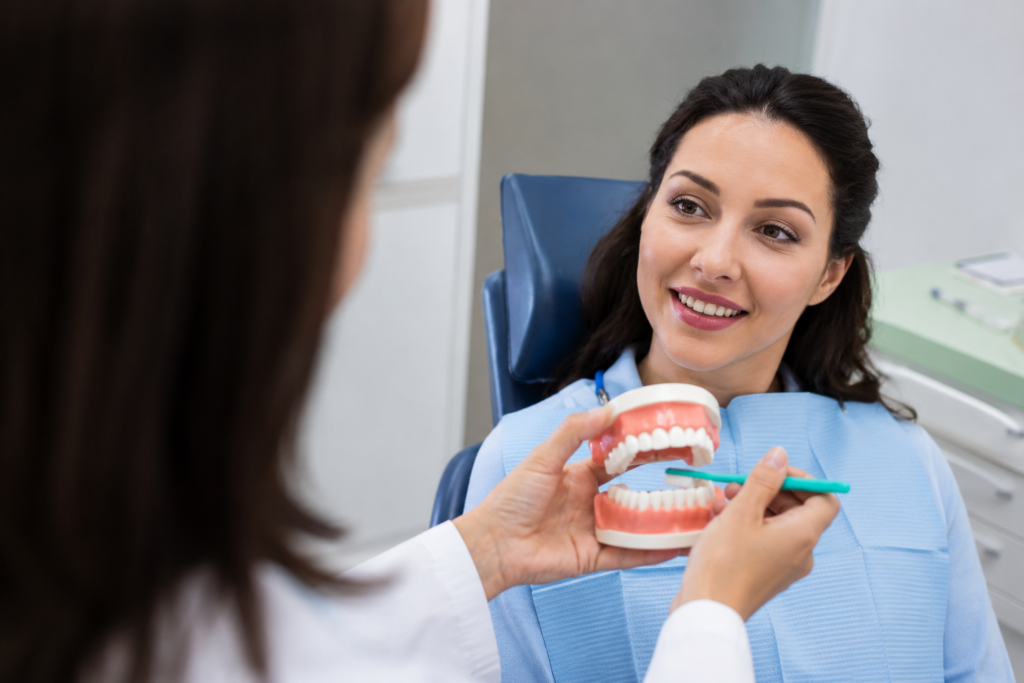
Dentures false teeth and false teeth usually mean the same thing. The main difference is that “dentures” is the professional dental term, while “false teeth” is the everyday phrase many people use. Whether you need to replace a few missing teeth or an entire arch, today’s dentures are designed to look natural, fit comfortably, and restore your ability to eat, speak, and smile with confidence.
At Kraner Family Dentistry, we help patients understand their tooth replacement options and create personalized treatment plans that improve both oral health and quality of life. Today’s modern dentures are more comfortable and lifelike than ever, making them an excellent solution for restoring your smile.
Key Takeaways
- Dentures and false teeth usually refer to the same type of tooth replacement.
- Full dentures replace all teeth, while partial dentures replace only missing teeth.
- Modern dentures look more natural and fit better than older designs.
- Proper care helps dentures last longer and keeps your mouth healthy.
- Your dentist can recommend the best option based on your oral health and lifestyle.
What Are Dentures False Teeth?
The term dentures false teeth refers to removable dental appliances that replace missing natural teeth. While “false teeth” is the phrase many people use in everyday conversation, dentists usually call them dentures. Both terms describe custom-made appliances designed to restore your smile, improve chewing, and help you speak clearly. They also provide support for your facial muscles, helping maintain a natural appearance after tooth loss.
People lose teeth for many reasons, including injury, decay, aging, or advanced gum problems. Regardless of the cause, dentures provide an effective way to restore both function and confidence.
Are Dentures and False Teeth the Same Thing?
Yes. In most situations, false teeth and dentures mean exactly the same thing. The difference is simply the wording people use.
“Dentures” is the professional dental term, while “false teeth” is the everyday phrase many patients have used for generations. Although the names differ, both refer to removable appliances that replace missing teeth and restore your smile.
Whether someone says dentures or false teeth, they are usually talking about a custom-made appliance that helps improve eating, speaking, and appearance.
Why Do People Need Dentures?
Missing teeth affect much more than appearance. They can make it harder to chew food, speak clearly, and maintain the shape of your face. Over time, gaps may also allow nearby teeth to shift out of position.
Dentures help restore normal daily function while improving confidence. Your dentist may recommend them if several teeth are missing or if the remaining teeth cannot be saved.
Common reasons people need dentures include:
- Severe tooth decay
- Tooth loss from injury
- Advanced gum disease
- Multiple damaged teeth
- Age-related tooth loss
Replacing missing teeth early can also help maintain better oral health and improve overall quality of life.
Types of Dentures Available Today
Not every patient needs the same type of denture. The right option depends on how many teeth are missing, the health of your gums, and your personal goals. Your dentist will recommend the most suitable treatment after a complete examination.
Full Dentures
Full dentures replace every tooth in either the upper jaw, lower jaw, or both. They rest directly on the gums and are carefully designed to fit comfortably.
These dentures are commonly recommended when all natural teeth have been lost. Today’s full dentures provide a much more secure fit and a natural-looking smile than older versions. With proper adjustments, many patients quickly regain confidence while eating and speaking.
Partial Dentures
Partial dentures replace one or several missing teeth while allowing healthy natural teeth to remain in place. They usually attach using small clasps or precision attachments that help keep them stable.
Partial dentures fill empty spaces, improve chewing, and reduce the risk of nearby teeth shifting. They are often an excellent choice when several healthy teeth can still be preserved.
Implant-Supported Dentures
Some patients choose implant-supported dentures for extra stability. Instead of resting only on the gums, these dentures connect to dental implants placed in the jawbone.
Because they move less during eating and speaking, implant-supported dentures often feel more secure than traditional removable dentures. Your dentist can determine whether you are a suitable candidate based on your jawbone health and overall oral condition.
What Are Artificial Teeth Made Of?
Today’s artificial teeth are made from strong materials that are designed to look and feel like natural teeth. Your dentist will choose the right material based on your oral health, budget, and personal needs. Modern materials are durable, stain-resistant, and made to provide a natural appearance while helping you eat and speak comfortably.
Common materials used include:
- Acrylic resin
- Porcelain
- Composite resin
Each material has its own benefits. Your dentist can explain which option is best for your smile.
How Have Modern Dentures Improved?
Many people still picture bulky dentures that slip while eating or speaking. Fortunately, modern dentures have improved significantly over the years. New technology allows dentists to create dentures that fit better, feel more comfortable, and closely match the look of natural teeth.
Some of the biggest improvements include:
- Better fit with digital impressions
- More natural tooth shapes and colors
- Stronger and lighter materials
- Improved comfort during daily use
These advancements help many patients feel more confident when smiling, eating, and talking.
Benefits of Dentures
Dentures do much more than replace missing teeth. They restore everyday function and improve overall quality of life. When dentures fit properly, they can help you enjoy meals, communicate clearly, and smile with confidence.
Some of the biggest benefits include:
- Restore your smile
- Improve chewing ability
- Support clear speech
- Help maintain facial shape
- Boost self-confidence
- Replace multiple missing teeth
With regular dental visits and proper care, dentures can provide reliable results for many years.
Dentures vs. Other Tooth Replacement Options
Dentures are one of several ways to replace missing teeth. Depending on your needs, your dentist may also recommend dental bridges or dental implants. Each option has different advantages, and the right choice depends on your oral health, budget, and long-term goals.
| Treatment | Best For | Removable |
|---|---|---|
| Dentures | Multiple or all missing teeth | Yes |
| Dental Bridge | One or a few missing teeth | No |
| Dental Implants | Long-term tooth replacement | No |
If you are unsure which treatment is right for you, scheduling a consultation allows your dentist to explain the pros and cons of each option.
Are Dentures Comfortable?
Most people need a short adjustment period after getting new dentures. During the first few weeks, you may notice mild soreness, extra saliva, or slight difficulty speaking. These changes are normal and usually improve as your mouth becomes familiar with the dentures.
Your dentist may make small adjustments to improve the fit if needed. Wearing your dentures as instructed and attending follow-up appointments can make the adjustment process much easier.
How Long Do Dentures Last?
Dentures are durable, but they do not last forever. Over time, your gums and jawbone naturally change shape, which can affect how your dentures fit. Even if the dentures are still in good condition, they may eventually need to be relined or replaced.
In general:
- Most dentures last between 5 and 10 years.
- Regular dental checkups help monitor their fit.
- Professional adjustments improve comfort and function.
- Daily cleaning helps extend their lifespan.
Replacing worn dentures at the right time helps maintain your comfort and oral health.
How to Care for Your Dentures
Good denture care keeps your smile healthy and helps your dentures last longer. Daily cleaning also reduces the buildup of bacteria and stains that can affect your oral health.
Follow these simple care tips:
- Clean your dentures every day with a denture brush.
- Remove them before sleeping unless your dentist advises otherwise.
- Soak them overnight in a denture-cleaning solution.
- Rinse them after meals.
- Handle them carefully to avoid damage.
Healthy gums are just as important as healthy teeth. If you have signs of infection before getting dentures, a gum disease dentist can help treat your gums so they are healthy enough to support your new dentures.
Can Dentures Look Natural?
Yes. Today’s dentures are designed to blend naturally with your facial features and smile. Dentists carefully select the size, shape, and shade of each tooth to create a result that looks realistic rather than artificial.
Modern techniques also improve the appearance of the denture base so it closely matches the color of your natural gums. As a result, many people cannot tell when someone is wearing dentures.
Conclusion
Understanding dentures false teeth makes it easier to choose the right solution for replacing missing teeth. Although many people use the terms “false teeth” and “dentures” interchangeably, today’s dentures offer far more comfort, function, and natural appearance than ever before. Whether you need full dentures, partial dentures, or another tooth replacement option, the right treatment can restore your ability to eat comfortably, speak clearly, and smile with confidence.
Every smile is unique, so a professional dental evaluation is the best way to determine which option meets your needs. With proper care and regular checkups, dentures can provide reliable, long-lasting results while improving your quality of life.
Ready to restore your smile? Contact Kraner Family Dentistry today to schedule your consultation. Our team will help you find the best denture solution for your needs and guide you toward a healthier, more confident smile.
Frequently Asked Questions
Are dentures and false teeth the same?
Yes. In most cases, dentures and false teeth mean the same thing. “False teeth” is the everyday term many people use, while “dentures” is the professional dental term. Both describe removable appliances that replace missing teeth and restore your smile.
Which is better: full dentures or partial dentures?
Neither option is better for everyone. Full dentures replace all the teeth in the upper or lower jaw, while partial dentures replace only a few missing teeth. Your dentist will recommend the best option after examining your mouth and discussing your treatment goals.
How long does it take to get used to dentures?
Most people adjust to new dentures within a few weeks. During this time, your mouth, tongue, and facial muscles learn how to work with them. Following your dentist’s instructions and attending follow-up visits can make the adjustment period smoother.
Can I eat normally with dentures?
Yes. You may need to start with soft foods and take smaller bites during the first few weeks. As you become more comfortable, you can gradually return to eating many of your favorite foods.
How often should dentures be replaced?
Most dentures last between five and ten years. However, changes in your gums and jawbone may require adjustments or replacement sooner. Regular dental checkups help ensure your dentures continue to fit properly.