
Crooked tooth pain can make you wonder if straightening your teeth could solve the problem. A crooked tooth may affect your bite, make cleaning harder, or place extra pressure on nearby teeth. In some cases, Invisalign can improve tooth position and bite. However, pain should be checked first because it may have another cause.
At Kraner Family Dentistry, patients can explore Invisalign as a clear way to straighten teeth. The practice uses digital scans and customized treatment plans to guide tooth movement. Understanding why your tooth hurts is as important as understanding how to straighten it.
Key Takeaways
- Invisalign can correct many alignment concerns.
- Pain may have a cause other than tooth position.
- A dental exam should come before clear aligner treatment.
- Treatment time varies by person.
- Retainers help maintain results.
Can Invisalign Fix Crooked Teeth?
Yes, Invisalign can fix many cases of crooked teeth. Clear aligners use gentle, controlled pressure to move teeth toward planned positions. Each aligner is designed for a specific stage, so movement happens gradually. This can help with crowding, spacing, rotation, and some bite concerns.
The American Dental Association explains that orthodontic treatment can correct crowded or crooked teeth. Removable aligners are one option, although the best treatment depends on dental needs and case complexity.
How Invisalign Moves Crooked Teeth
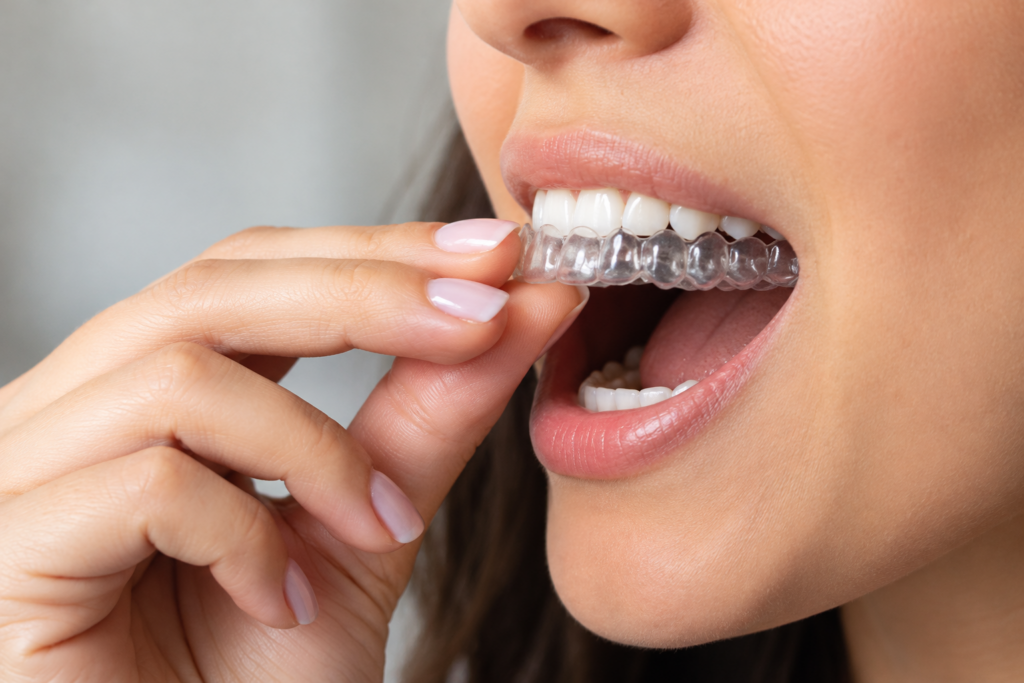
Invisalign uses a series of clear, removable aligners that fit over your teeth. Each aligner applies controlled pressure to selected teeth. You then move to the next aligner according to your dentist’s instructions. Over time, this guides teeth into planned positions.
Kraner Family Dentistry explains that Invisalign aligners are custom-made and changed every one to two weeks. Its website lists six to twelve months as a typical range, although treatment times differ.
The process may include:
- Dental examination and consultation
- Digital scanning and treatment planning
- Custom clear aligners
- Progress checkups
- Retainers after treatment
Can Invisalign Help With Crooked Tooth Pain?
In some cases, Invisalign may help when crooked tooth pain is linked to tooth position or an uneven bite. A tooth at an unusual angle may receive more pressure when you bite. Improving its position may create a more balanced bite.
However, Invisalign does not treat every cause of dental pain. A cavity, cracked tooth, infection, gum problem, or grinding habit may need different care. Your dentist should identify the source before orthodontic treatment.
What Causes Crooked Tooth Pain?
A crooked tooth does not always hurt simply because it is out of position. Pain may come from pressure during chewing, gum irritation, decay, or another dental condition. Crowded teeth can also make areas harder to brush and floss.
If crooked tooth pain is new, persistent, or getting worse, do not assume Invisalign will solve it. A professional examination can identify the cause.
Watch for:
- Pain when biting or chewing
- Sensitivity to hot or cold
- Swollen or tender gums
- Bleeding around a tooth
- Pain that does not go away
When Should You See a Dentist?
You should arrange a dental evaluation when crooked tooth pain continues or appears with swelling, sensitivity, bleeding, or a change in your tooth. Severe pain, facial swelling, or a dental injury may require prompt attention.
A dentist can examine your teeth, gums, bite, and surrounding structures. This helps separate an alignment issue from a condition that needs other care.
Your visit may include:
- A visual dental examination
- A bite and alignment assessment
- X-rays when needed
- A gum health check
- A discussion of treatment options
Is Invisalign for Crooked Teeth Right for Everyone?
Invisalign for crooked teeth can be a good choice for many patients, but it is not suitable for every case. Your dentist considers the movement needed, tooth and gum health, your bite, and your ability to follow the treatment plan.
Some complex alignment problems may require traditional braces or another approach. A restoration may be better when the main concern is tooth shape or damage rather than position.
Your treatment plan may depend on:
- Severity of crowding
- Tooth and gum health
- Your bite
- Required tooth movement
- Your treatment goals
What Are the Benefits of Invisalign?
Invisalign is popular because the aligners are clear and removable. You can take them out when eating and brushing. This can appeal to people who want a less noticeable alternative to traditional braces.
Kraner Family Dentistry describes Invisalign as a discreet option for improving tooth alignment and bite. The practice also uses digital imaging for personalized treatment planning.
Patients may appreciate:
- Clear aligners
- Removable trays
- Custom treatment planning
- Easier daily cleaning
- Fewer routine adjustments
Results depend on following your dentist’s instructions and wearing aligners as recommended.
What Are the Limits of Invisalign?
Invisalign can move teeth, but it does not repair every dental problem. Clear aligners cannot treat an infection, fill a cavity, repair a severely damaged tooth, or replace missing tooth structure. If crooked tooth pain is caused by decay, infection, or damage, that issue may need treatment first. Once your dentist understands the cause, they can decide whether Invisalign should be part of your care plan.
Different or additional treatment may be needed for:
- Active tooth decay
- Gum disease
- A cracked tooth
- Dental infection
- Complex bite problems
How Long Does Invisalign Take?
Invisalign treatment time varies from person to person. Minor alignment changes may take less time, while complex movement can require longer treatment. Your dentist creates a plan based on your teeth, bite, and goals. Kraner Family Dentistry states that its average Invisalign treatment may take about six to eight months, while its Invisalign page gives a typical range of six to twelve months.
Treatment length may depend on:
- Amount of tooth movement
- Your bite
- How consistently you wear aligners
- Your response to treatment
- Whether refinements are needed
What Happens After Invisalign Treatment?
After your teeth reach their planned positions, you will usually need retainers. Teeth can shift after Invisalign treatment, so retainers help hold them in their new positions. Your dentist will explain how often you should wear your retainer. Following these instructions is important for maintaining your results and keeping your teeth properly aligned.
Your post-treatment plan may include:
- A final alignment check
- A custom retainer
- Instructions for retainer wear
- Regular dental checkups
- Continued brushing and flossing
Can Straightening Crooked Teeth Improve Oral Health?
Straightening crooked teeth may make daily cleaning easier when crowding creates hard-to-reach areas. Better access can make brushing and flossing more effective. Orthodontic treatment may also improve certain bite problems that affect chewing or contribute to uneven wear.
During treatment:
- Brush twice each day
- Clean between your teeth
- Keep aligners clean
- Attend dental checkups
How Should You Prepare for an Invisalign Consultation?
Start by thinking about what you want to improve. You may be concerned about crowded front teeth, an uneven bite, or crooked tooth pain when chewing. Sharing these concerns helps your dentist understand your goals. If you have pain, note when it started and whether foods, temperatures, or movements make it worse.
Consider asking:
- What is causing my pain?
- Can Invisalign correct my alignment problem?
- How long might treatment take?
- Are there other options?
- Will I need a retainer?
Why Professional Evaluation Matters
Professional evaluation is important because tooth movement affects more than appearance. Your dentist needs to consider your teeth, gums, bite, and supporting structures before recommending orthodontic treatment.
If crooked tooth pain is present, an examination is even more important. Pain may indicate a problem that should be treated before tooth movement begins. Kraner Family Dentistry offers Invisalign consultations with digital scanning and personalized treatment planning.
An assessment can determine:
- Whether your teeth are suitable for Invisalign
- What is causing your pain
- How much movement is needed
- Whether your bite needs correction
- A realistic treatment timeline
Final Thoughts
So, can Invisalign fix crooked teeth? Yes, in many cases. Clear aligners can gradually move teeth and improve certain crowding, spacing, rotation, and bite concerns. However, crooked tooth pain should not be ignored. Pain can come from decay, infection, a crack, gum problems, grinding, or bite pressure. Finding the cause first helps ensure that you receive the right care.
Kraner Family Dentistry offers Invisalign with digital scanning and personalized treatment planning. If you are considering Invisalign or experiencing tooth pain, contact Kraner Family Dentistry to schedule an evaluation and discuss your treatment options.
FAQs
Can Invisalign fix crooked teeth?
Yes. Invisalign can correct many crooked and crowded teeth, although complex cases may need another orthodontic treatment.
Does Invisalign fix crooked tooth pain?
It may help when pain is related to tooth position or bite pressure. Other causes need proper dental treatment.
How long does Invisalign take?
Treatment varies by case. Many patients complete treatment within several months.
Can crooked teeth cause pain?
They can sometimes affect your bite or make cleaning harder. Pain can also come from decay, infection, cracks, or gum problems.
Do I need a retainer after Invisalign?
Usually, yes. Retainers help keep teeth in their new positions after active treatment ends.